
Articles128
Study Abroad Tips
Practical guides for academic success abroad
 Your Notes Are Not an ExhibitionBeautiful notes can support learning, but a polished page may hide an unanswered question. Leave room for the rough marks that show what remains unclear.2026-11-06View
 Leave a Page for the View You Disagree WithReconstructing a claim fairly does not require agreeing with it. A disagreement notebook can reveal which premise you reject and which conditions would matter.2026-11-06View
 Reliability in a Study Group Begins with Small PromisesA specific handoff helps a group plan around real work. Reliability means making uncertainty visible early, not becoming the person who always rescues the deadline.2026-11-06View
 Read the Margin as a Reader’s Lost PathA sharp comment can feel like a verdict on ability. Reading it as evidence of where someone lost the thread creates room for judgment rather than obedience.2026-11-06View
 Difficult to Read Does Not Always Mean DeepSeparate the complexity an idea needs from the obscurity its wording adds. Clearer prose should preserve the conditions that make a claim accurate.2026-11-06View
 Finishing the Reading Is Not the Same as Taking It InA marked-up article can feel understood until you try to explain one distinction elsewhere. A new example reveals what page progress cannot.2026-11-06View
 The Question You Almost Leave UnaskedA precise question can reveal the boundary of understanding without demanding that someone repeat everything. Keep your attempt visible when asking for help.2026-11-06View
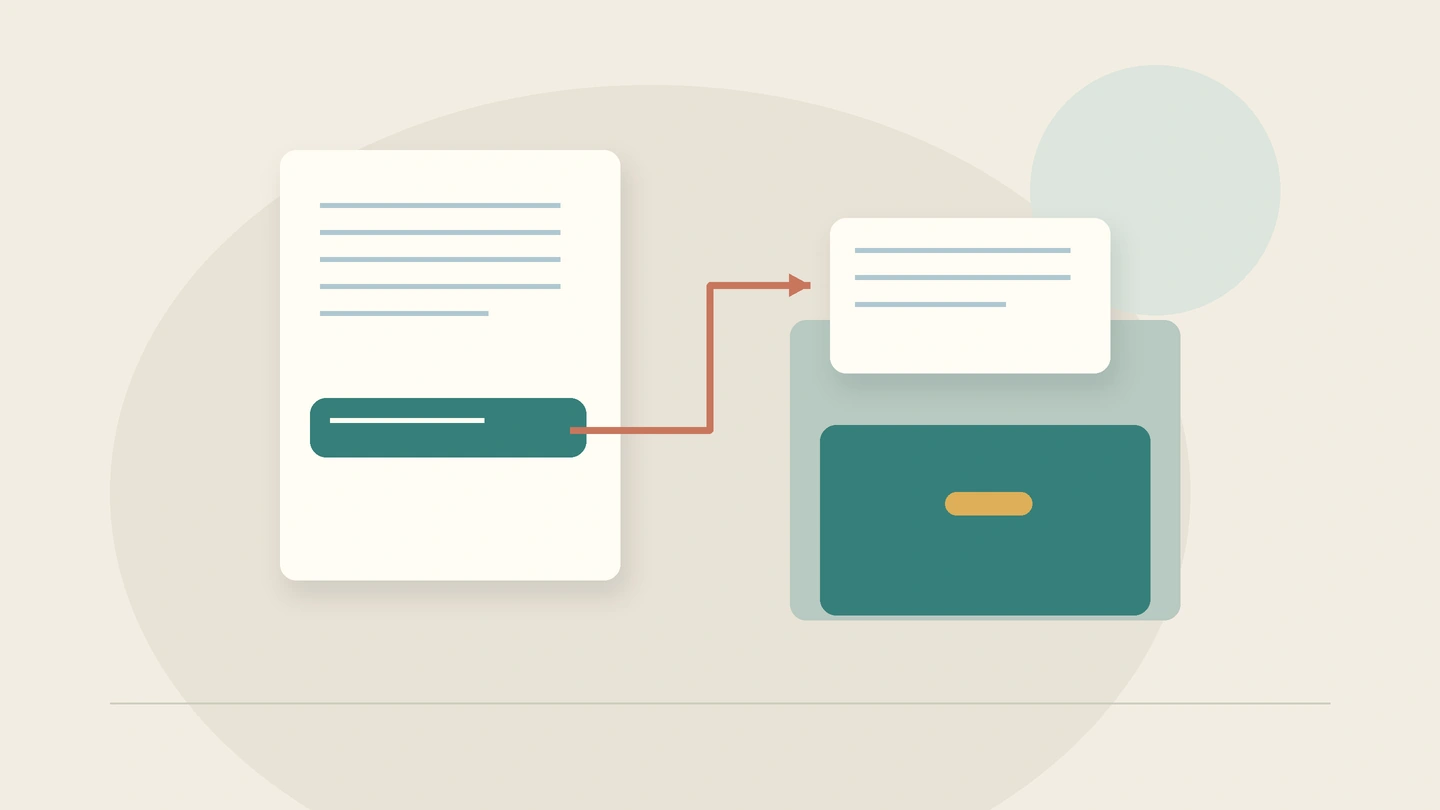 When Your Favorite Paragraph No Longer BelongsA beloved paragraph can outlive its purpose. Separating the work you invested from the work a passage does makes cutting less like self-rejection.2026-11-06View
 Turnitin and Academic Writing: A Practical Success ChecklistPrepare stronger academic work with an ethical, step-by-step checklist for research, drafting, citation, and reviewing Turnitin feedback. Learn how to interpret similarity matches, avoid common mistakes, and revise for clarity and originality.2026-11-05View
 Turn Academic Writing Feedback into a Reusable Learning CycleBuild a complete paper through clear stage outputs, then use actual feedback to improve the next assignment without recycling assessed text or old course rules.2026-11-05View
 From Academic Draft to the Correct Final Submission FileComplete the full writing workflow, then verify the chain from reviewed source document to exported file, upload and confirmation.2026-11-05View
 Write an Academic Paper with Consistent Data, Figures and ClaimsCarry a complete paper from assignment to submission while checking that numerical evidence, captions and prose tell the same supported story.2026-11-05View
 Use Feedback to Revise an Academic Paper ResponsiblyKeep ownership of your argument while turning permitted feedback into evidence-checked revisions across the whole paper.2026-11-05View
 Write a Complete Academic Paper with Stronger Source SynthesisKeep the full writing workflow while learning to compare sources on the same question and build a clear, accurately attributed synthesis paragraph.2026-11-05View
 Audit AI-Assisted Writing Before SubmissionCheck permission, actual use, evidence, argument, attribution, disclosure and the final file, with a clear action when a check fails.2026-11-05View
 Write a Literature Review That Compares Evidence, Not Just AuthorsBuild a scoped search and reading matrix, organize sources around meaningful comparisons and document the review without overstating consensus or gaps.2026-11-05View
 Diagnose High Turnitin Similarity Without Damaging the PaperIdentify the causes of concentrated matches and choose appropriate repairs for quotations, paraphrases, missing attribution, templates and earlier work.2026-11-05View
 Revise an Academic Paper from the Argument Down to the Final FileUse a reverse outline and high-to-low revision passes to address task fit, structure, evidence, attribution and language before submission.2026-11-05View
5 / 8